By our Gym+Fitness team at PCYC South Burnett
The problem is, with any pack of confectionary lollies or easy to chew sweet treats, the energy comes hard and fast BUT leaves you more quickly than it comes.
How many times a week do we get to 2pm at work and reach for a sweet, sugary snack to get us through until 5pm? Don’t be shy…we have all done it! While we know that those choices are not ideal, we are desperate for that instant burst of energy to get us through!
In simple terms, GI stands for Glycaemic Index, and is an indication on the speed at which carbohydrate foods are broken down into glucose and taken up into the bloodstream.
When the Glycaemic Index (GI) is high, the blood sugar levels spike and then crash! The lower the GI is in the foods you eat, the slower it takes to break down the carbohydrates in your body, and the slower it takes to release glucose into your bloodstream. While managing blood glucose levels, eating foods with a low GI can also keep you fuller for longer!
Diabetes Australia has a ranking between 0-100 on all carbohydrate foods, that indicates which foods are low and high in GI.
Trade your choccies and sweet treats for a more natural sweet like fruit and replace your white bread/rice/pasta for wholemeal and grain alternatives. Supermarket brands will also indicate on their packaging if their food is low in GI, and will display their GI ranking.
There are also many online tools that can help you make lower GI swaps in your every day shopping.
Eat plenty of greens, drink lots of water and you will be shocked with the amount of long lasting energy you have!
All the information written above is inline with the Diabetes Australia guidelines.
By our Gym+Fitness team at PCYC Ashmore
After your bundle of joy has arrived, you might be wondering when to start training again. First and foremost, please seek clearance from your doctor as to when it’s best to resume your fitness regime.
If you had a healthy pregnancy and a normal vaginal delivery, you should be able to start exercising again soon after the baby is born. Usually, it is safe to begin exercising a few days after giving birth—or as soon as you feel ready, but it is best to seek your doctor’s approval first. If you had a caesarean birth or complications, ask your ob-gyn when it is safe to begin exercising again.
Aim to stay active for 20 to 30 minutes a day. When you first start exercising after childbirth, try simple postpartum exercises that help strengthen major muscle groups, including abdominal and back muscles.
Gradually add moderate-intensity exercise. If you exercised vigorously before pregnancy or are a competitive athlete, you can work up to vigorous-intensity activity.
Remember, even 10 minutes of exercise benefits your body, but if you start to feel any pains, please stop exercising.
It’s best to avoid high-impact exercise such as running or cardio workouts until at least your six-week postnatal check so your body has time to recover from the birth.
Don’t push it
There may be pressure out there to “bounce back,” but your body has been through an experience it needs to rest and heal from, not be put through exercise boot camp. Often, your baby will not allow you to rest or recover, so don’t feel at all guilty to take every free minute to lie down or sleep. Feed yourself, shower, nap… Exercise does not need to be a priority in the first weeks after giving birth.
Start small
Think a walk around the block, for your first time back to introducing movement into your life. You have to get to know your new body shape and abilities postpartum while also balancing your fatigue. Take a walk, lift half a kilo weight, or tin of spaghetti in front of the TV, or do some stretching on the floor to start. Build up at your own pace.
Listen to your body
Listen to your body. If you get tired, take a break. If you have the energy or feel that some exercise could give you some energy, try it. You could injure yourself trying too much too soon, so keep taking mental stock of how you are physically feeling. If you experience higher than usual bleeding this could mean you’ve pushed yourself too far and need to reel it back.
Involve your baby
Take your baby on a stroller walk or jog or take a walk while babywearing. Lift your baby up and down 10 times in a row as if they were a weight. Put them on the floor next to you while you do yoga. This will let you exercise for longer since you won’t have to stop to take care of their needs – they’ll already be there. Plus, it’s a nice time to bond.
Set realistic goals
The number on the scale isn’t the most effective measure of health. Set goals like being able to touch your toes, lifting your baby without your back aching, being able to walk or run for 5 minutes longer than yesterday, and other milestones unrelated to weight.
Whether you want to work on self-care, feeling more yourself again, flexibility, strength, or another fitness goal, celebrate the wins when you reach your target. Reward yourself with a book, a bath, or a treat—whatever makes you feel good—when you reach those achievements.
Postpartum fitness doesn’t have to be a chore. Make it fit with your new lifestyle by incorporating your new baby and respecting the limits of your body as you go. You’ll be able to build up to more and more over time, but there’s no need to rush. Focus on your health instead of weight loss and be gentle with yourself as you go at your own pace.
All of the information above is written in line with the AUSactive guidelines.
Easter is fast approaching which means there is a LOT of chocolate everywhere you look! We know it’s so tempting to grab some choccies during the holidays. Below are a few healthy recipes you can add into the mix while still enjoying a chocolate egg or two. These were made and ‘tested’ by our very our PCYC Lang Park team and YUM! 🙂
Bunny Lover Carrot and Banana Muffins
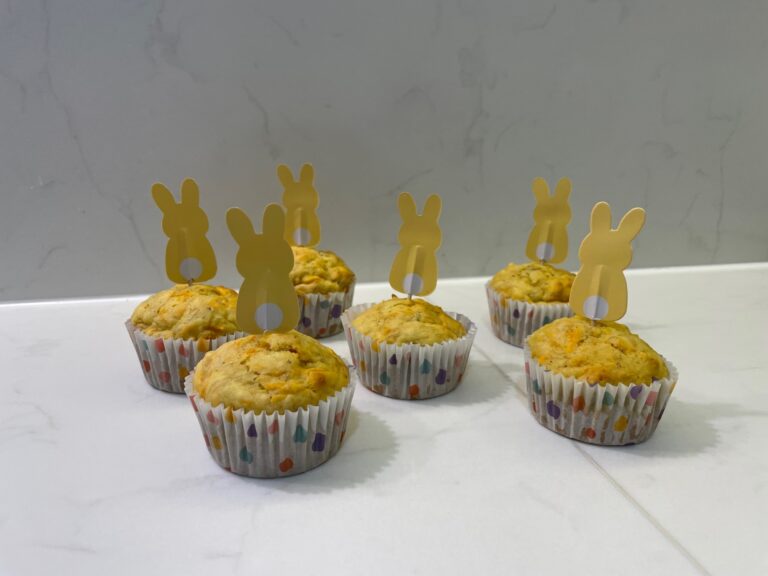
Serves 6
Ingredients
Directions
Recipe provided by Woolworths
Carrot Garden Hummus Pots

Serves 3
Ingredients
Directions
Easter Potatoes
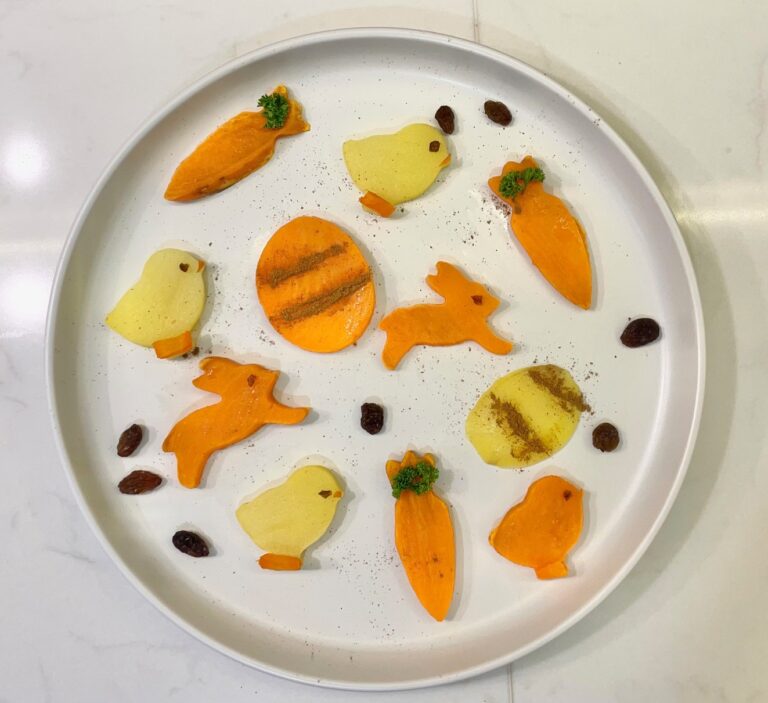
Serves 4
Ingredients
Directions