Written by Layne Clarke, Club Manager at PCYC Bayside
Nutrition for a busy lifestyle focuses on consistency, simplicity, and nutrient density rather than perfection or restrictive dieting. The key is to prepare for healthy choices to avoid relying on high-calorie, low-nutrition fast food. Core strategies include eating a balance of whole foods, managing portions and staying hydrated.
Time-Saving Meal Prep Strategies
- Batch Cooking: Cook larger portions of staples like brown rice, roasted vegetables, or proteins (chicken/lean mince/tofu) on the weekend to mix and match during the week.
- “Cook Once, Eat Twice”: Cook dinner with the intention of having leftovers for lunch the next day.
Quick, Healthy Meal & Snack Ideas
- Breakfast: Wholegrain toast with scrambled eggs/add cottage cheese (adds even more protein while ensuring a super fluffy texture), overnight oats, or protein smoothies with spinach and frozen fruit.
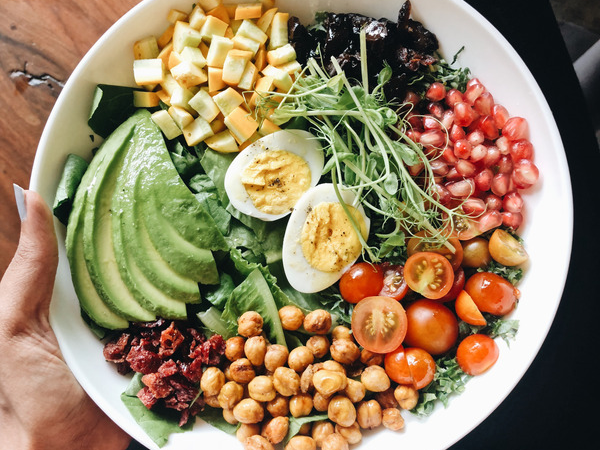
- Lunch: Salad jars (layer dressing on bottom, then hardy veggies, then protein), wraps with leftovers, rice with protein and vegetables
- Snacks: Greek yoghurt, nuts/seeds, hummus with veggie sticks, or fruit, boiled eggs
- Drinks: Campbells bone broth, high in protein and a great hot drink great alternative
- Dinner: Shrimp, chicken, pork or lean beef with pre-cooked rice, quinoa or high protein pasta. Use Zucchini noodles or pre-chopped vegetables for a time saving option.
Healthy Habits for Busy People
- Don’t Skip Breakfast: Eating in the morning stabilises blood sugar and prevents overeating later.
- Hydrate Smartly: Carry a water bottle with you during the day and Aim for 2 litres daily. You can try sparkling water with lemon if plain water is boring.
- Smart Dining Out: Opt for grilled/baked instead of fried, ask for sauces on the side, and choose dishes with extra vegetables.
- Keep it Simple: A simple meal like scrambled eggs with spinach or canned tuna on whole-wheat toast is perfectly nutritious.
Simple Portion Control Guide
- Protein: Palm-sized portion.
- Carbs: Fist-sized portion.
- Fats: Thumb-sized portion.