Angela (known as Ang) loves fun hair and funky earrings, as bright colours make her happy!
I joined the PCYC Townsville team in November 2024.
During my own fitness journey, I experienced firsthand how much my general health and fitness impacted my daily life and mental health. The healthier I got, the more energy I had and the better my outlook on life. I studied to be a fitness trainer because I wanted to share that experience with others.
Not anything in particular! I am currently just working on improving my overall health.
Discover PCYC Townsville or view the gym timetable.
I have been a member for over two and a half years!
The staff are awesome!! I love the community and the members! The range of equipment is also fantastic.
I am a 71-year-old training for Camino Pilgrimage Walk that is held in Spain! It is 780kms. Last time I was in Spain, I made the 600km mark. I am now heading back to Spain this year to complete the final 180kms. I am also actively training to keep fit and healthy to spend time with my grandchildren.

The leg extension and leg curl machines by far, as they maintain my leg strength, which is important for my training.
Discover PCYC Mount Isa or view the gym timetable.
What exactly is overtraining and is there really such a thing? It can be hard to find that right balance of healthy training, correct calories and getting the appropriate rest.
Overtraining can be a combination of constant, intense training of the same muscle group, training without adequate recovery time, not consuming enough food or getting enough sleep. All of these things can affect your physical and mental well-being.
How many times should you train per week?
This really is a case-by-case scenario however if you are showing any signs and symptoms you should speak to a health/fitness or medical professional. It could be the simplest tweak in your program, diet or rest that could alter how you are feeling and tracking towards your ultimate goals.
Signs and symptoms of overtraining
Why are rest days so important?
Rest days allow your muscles to fully recover, adapt and become stronger and give your nervous system a chance to regenerate itself. By having rest days you can reduce the risk of injury, improve your overall performance, and support healthy sleep.
On average you should be taking 1-2 rest and recovery days each week, this gives your body and muscles the appropriate time to heal and restore. This doesn’t mean you should cease all activity on rest days, try some low-intensity exercise like a walk or easy bike ride.
For an ideal plan, join our Activ8 8 Week Challenge which has an 8-week workout plan, targeting every area of the body while giving you enough rest days to fully recover for your next workout!
Kerryn brings no fluff, straight-up support, smart coaching, and a quiet confidence that makes people feel at ease (and actually excited to train).
I joined the PCYC Bayside team in January 2025 but have been training here for a couple of years!
I became a trainer because I know how overwhelming the fitness world can be when you’re just starting out, especially if you’re trying to lose weight and feel confident in your own skin. I love showing people that it doesn’t have to be extreme to be effective, and that strength training can feel empowering (not intimidating).
I recently wrapped up a huge season of bodybuilding competitions, including the Natural Olympia in the US, but right now, my goal is to enjoy training for the love of it and build back up in my off-season.
Winning 3 world titles was incredible, but honestly, helping everyday people go from avoiding mirrors to feeling strong and proud in their bodies, hits harder than any medal.
Discover PCYC Bayside or view the gym timetable.
I have been a member for over a year now!
I love the people, social connections and gaining flexibility.
Right now it’s losing centimetres and gaining flexibility
I love the Activ8 Fit & 50 classes!
I would say squats!
Discover PCYC Pine Rivers or view the gym timetable.
Are you time poor or constantly on the run? We’ve got you covered with these quick and easy snacks that are super low in calories!
Here are our top 3 healthy snack recipes to kick those afternoon cravings!
Blueberry and Almond Protein Shake
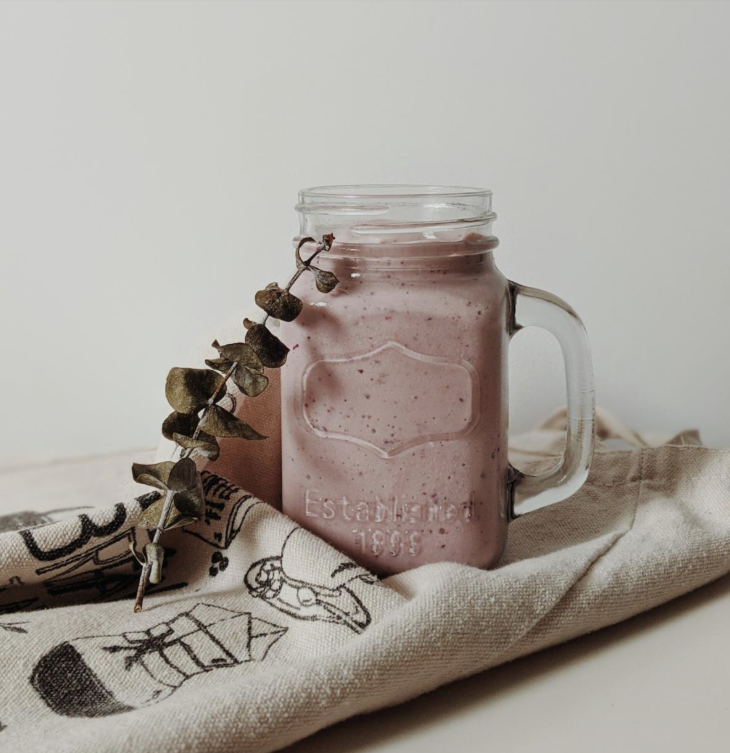
Serves 1
Ingredients
Directions
Tip: Try adding some cinnamon to spice it up a little!
Chia Cacao Pudding

Serves 1
Ingredients
Directions
Sea salt and Garlic Kale Chips

Serves 4
Ingredients
Directions
By our Gym+Fitness team at PCYC Lang Park
While no one can guarantee perfect health in the future, making smart choices now can lead to a happier, healthier retirement. Like financial planning it requires many years of investment for a significant return of capital. Poor or risky investments result in low dividends or in most cases, no returns at all.
A safe fitness future might start with exercising 3 to 5 times a week for 30 years. With small adjustments over time, routines can be adapted even for those with limited mobility. Exercise benefits every age.
The following 10 tips are fitness investment strategies for a happier and healthier retirement. These positive lifestyle changes will help build that capital to hike, run, lift weights, and hold a plank!
Maintaining a healthy amount of muscle mass helps protect against physical weakness, which in turn reduces the risk of falls and other injuries. As we age, good balance depends on strong, well-controlled muscles. Muscle loss caused by inactivity or poor nutrition is often preventable, especially in the absence of underlying medical conditions. The good news is, it’s never too late to start exercising and build strength.
Avoid fad diets, yo-yo dieting, or any diet that excludes a whole food group. Remember your hydration too.
Resistance, Rugged, and Regular.
Resistance weight training affects the body like no other form of exercise. Force is exerted against the ligaments which in turn stimulate cells to lay down bone tissue, therefore maintaining bone density if nutrition is adequate. It also assists in reducing the effects of osteoporosis.
‘Rugged’ describes the intensity of your workout! You need to learn to exercise at an intensity that will provoke change. Sometimes, this needs to be determined by a health or fitness professional.
Regular: Three times a week for weights is optimal for a full body workout, twice is still OK, once a week is better than nothing, but the body will struggle to maximise the gains from training.
Bad posture (slouching, forward head posture, rounded shoulders) takes years to create changes which accommodate these bad habits. It is a mighty and daunting task to undo, and much easier to address them before postural change creates injury, gait issues, or chronic pain.
Give Dr Google a wide berth and realise that your friend’s physio program was tailored to them, not you! If you have a problem that is affecting your health or fitness, seek appropriate help.
Sleep needs change throughout life, so get as much sleep as your body needs.
Your doctor can monitor levels like cholesterol, liver enzymes, kidney function, and fasting blood sugar. Changes in these readings can show early signs of health problems. Catching these changes early makes them easier to manage, before they turn into serious illness. Sometimes, even a small change in your diet can make a big difference.
Exercise itself positively enhances mood, along with all the other great benefits. The social aspect of group fitness, whether indoors or outdoors helps provide diversity in life, combats isolation or loneliness, and helps create a network of peers in later life. Over 50’s exercisers frequently report that the social aspect of their weekly exercise is as important as the physical benefits.
Aerobic exercise can be done every day. To see improvement, the activity needs to be more challenging than a slow walk. For example, a brisk walk with some hills is more effective. You don’t have to run, aerobic just means “with oxygen.” It includes any activity that raises your heart rate and can be done for 30 minutes or more. The right intensity depends on the individual.
As we age, we naturally become less flexible, but regular stretching can help slow this down. Staying hydrated is also important to keep muscles and other tissues like tendons, ligaments, and joints healthy. Do dynamic stretches like leg swings before a workout to warm up and do static stretches after to help your muscles relax.
By our Gym+Fitness team
Whether you’re just starting your fitness journey or trying to stay on track, building a consistent training routine can be challenging. The key to success lies in creating habits that are sustainable, realistic, and enjoyable! It is very easy to fall into an all or nothing mindset, but consistency over time is king – think progress not perfection.
Here’s some quick tips to help you build workout habits that stick:
Start by setting yourself clear, achievable goals that are going to complement your current lifestyle without too much disruption. When goals are too ambitious, it’s easy to feel overwhelmed and discouraged, which can lead to burnout and procrastination. Realistic goals, on the other hand, provide a sense of accomplishment as you tick them off, which will fuel your motivation and keep you focused. When choosing a goal or goals, remember to be SMART: Specific, Measurable, Achievable, Relevant and have a Timeframe.
You’re more likely to stick with a workout if it’s something you enjoy. Experiment with different types of exercise— strength training, group training, cycling, yoga or swimming—until you find a routine that excites you. The more fun your workouts are, the less they’ll feel like work.
Once you have established your fitness goals and found an activity that you enjoy, build your routine by breaking down your goals into smaller daily habits. Consider these examples:
Failing to plan, is planning to fail. Establishing a routine reduces the mental effort of deciding when to exercise, and over time, it becomes part of your day-to-day life.
Keeping track of your workouts, whether through an app, journal, or fitness tracker, helps you stay motivated and visualize your progress. Celebrate small victories—like improving your endurance or hitting a personal best—and use them as fuel to keep going.
Whether it’s a friend, family member, trainer, or fitness group, having someone to share your journey with keeps you committed, and can help you push through days when you don’t feel like working out. They can also support you by celebrating your wins!
Remember, consistency is more important than perfection. Don’t get discouraged if you miss a workout or don’t see instant results. Be patient with yourself and celebrate every step forward. Creating new habits takes time, but with the right mindset and approach, you can create a lasting routine that will become a natural part of your lifestyle and see lasting improvements in your overall well-being.
By our Gym+Fitness team
Resuming exercise after an injury requires a careful and gradual approach to prevent re-injury and ensure a successful recovery. Here’s how to return to your fitness routine safely and efficiently.
Before starting any exercise program, consult with your healthcare provider or a physiotherapist to assess your condition and receive personalised advice.
Begin with lighter weights and lower intensity exercises, aiming for about 50% of your pre-injury activity level. Gradually increase back to your baseline levels.
Pay close attention to your execution when performing exercises. Proper form is crucial for preventing further injury and maximising the benefits of your workouts.
Be attentive to how you feel during and after exercise. Some muscle fatigue is normal, but sharp pain lasting more than an hour post-workout is a sign to scale back.
Establish achievable milestones to track your progress and maintain motivation throughout your recovery.
If your injury prevents you from your usual routine, explore other options. For example, if barbell lifts are making you feel worse for wear, try incorporating machines.
Allow adequate time for rest between workouts and incorporate recovery techniques such as light stretching or foam rolling.
This is included with your PCYC Queensland Gym+Fitness membership. This exclusive two-stage program offers Gym+Fitness members 4 to 12 weeks of support from qualified Trainers. Learn more about Activ8 Fundamentals here!
Consistency is key when returning to exercise after an injury. Be patient with your body, celebrate small victories, and don’t hesitate to seek professional guidance if you’re unsure about your progress.
When he’s not running Activ8 Fundamentals or Activ8 Group Training classes, he’s bringing the energy to PCYC Zillmere!
I joined PCYC at the end of 2024 and coming up on 10 months of my role as Gym Officer & Personal Trainer.
My journey in the fitness industry began as one of self-discovery, as I navigated my own weight loss journey and gained the knowledge to transform other people’s lives in the process. This is easily my favourite part of doing what I do, assisting others in achieving goals they didn’t believe were possible.
I am excited to get into MMA training as it’s always been a passion of mine.
My favourite personal achievement was working with a client & friend to achieve her goal of fitting into her mother’s wedding dress for her own wedding. We worked tirelessly across 6 months to achieve this goal and was extremely grateful to help in the process.
Discover PCYC Zillmere or view the club timetable.